Introduction: A good trip should not come at the expense of your health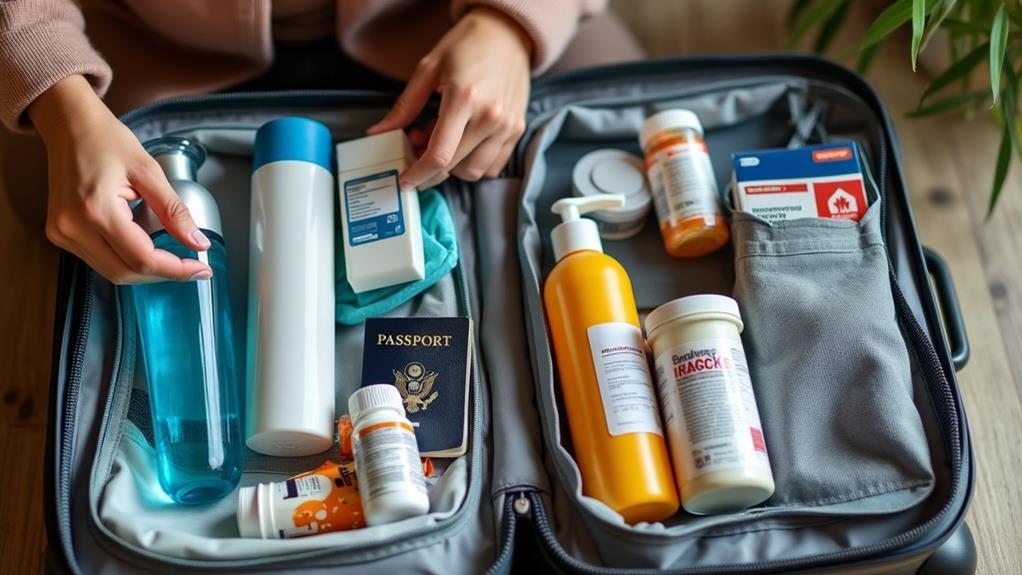
Travelling can introduce you to new cultures, beautiful places, unfamiliar foods and memorable experiences. Whether you are taking a short domestic journey, travelling for business or planning an international holiday, good preparation can help you enjoy the experience.
However, people sometimes focus so much on flights, accommodation, sightseeing and luggage that they overlook basic health precautions.
A change in climate, disrupted sleep, unfamiliar food, insect exposure or an unexpected medical problem can affect a trip. Some problems are minor, while others may require professional care.
The good news is that many travel-related risks can be reduced with planning.
Here are ten common mistakes to avoid, together with practical steps for travelling more safely.
1. Waiting until the last minute to consider health requirements
Different destinations may have different health recommendations, entry requirements and risks.
Depending on where you are going, you may need to check vaccination recommendations, malaria prevention advice or other destination-specific guidance.
Some vaccines and preventive medicines need to be arranged before departure. Leaving everything until the day before your trip may limit your options.
Ideally, review your destination’s health information several weeks before travelling. A travel health appointment may be particularly useful for international trips, extended stays or travel involving children, pregnancy or existing medical conditions.
People travelling from Nigeria should check the current requirements for both their destination and any countries where they will transit.
Use reliable public health sources and consult a qualified healthcare professional when recommendations are unclear. Do not rely solely on old social media posts or advice from someone who visited the destination years ago.
2. Assuming that every food and drink is safe everywhere

Trying local food is one of the pleasures of travelling. You can enjoy unfamiliar dishes while still taking sensible precautions.
Food and water safety standards can vary between locations, and contaminated food or drinks may cause illnesses that disrupt your trip.
Practical precautions include choosing food that has been cooked thoroughly and served hot, washing your hands before eating, and taking care with raw foods when cleanliness or refrigeration is uncertain.
When water safety is uncertain, use an appropriate safe drinking-water source. Factory-sealed bottled water may be an option, but check that the seal is intact and the product comes from a trustworthy source.
Ice may be made from unsafe water, so consider avoiding it where water quality is uncertain.
Fruit that you can peel yourself may be a practical choice when clean washing water is unavailable. Wash produce safely whenever possible.
These are risk-reduction measures, not a guarantee that illness will never occur. If you develop severe diarrhoea, signs of dehydration, bloody stools or a persistent fever, seek medical care.
3. Forgetting to drink enough water
Travel can disrupt ordinary routines. You may spend hours in a vehicle, walk around unfamiliar streets, wait in airports or forget to drink while sightseeing.
In hot conditions, sweating increases fluid loss. If you are active for long periods, dehydration can become a concern.
Carry drinking water when practical and drink regularly according to your needs. Pay particular attention during hot weather or strenuous activity.
Choose clothing appropriate for the climate and take breaks in shaded or cool places when necessary.
If you develop marked dizziness, confusion, fainting or signs of severe heat illness, seek urgent assistance.
People with medical conditions that require fluid restrictions should follow their healthcare professional’s advice rather than using general hydration rules.
4. Ignoring insect bites and mosquito prevention
Some insects transmit diseases, including malaria in affected regions. The risk varies with the destination, season, activities and local conditions.
Travellers sometimes assume that they are safe because they will spend most of their time in a hotel. However, insect exposure can also occur during outdoor activities or in accommodation without adequate protection.
Depending on the destination, precautions may include using an appropriate insect repellent, wearing clothing that covers exposed skin and sleeping in screened or air-conditioned rooms.
In areas where malaria prevention is recommended, a healthcare professional can advise on appropriate preventive medication.
Do not assume that one type of repellent or medicine protects against every insect-borne illness.
If you develop a fever during or after travel to a malaria-risk area, seek prompt medical assessment and explain your travel history. Malaria can become serious, and symptoms should not be dismissed as ordinary tiredness.
5. Forgetting your medication or medical information
If you take prescribed medication, plan how you will access it throughout the journey.
Pack enough for the trip, allowing for reasonable delays where possible. Keep medicines in their original labelled packaging when practical, and check the destination’s rules for carrying particular medicines.
Some medicines need specific storage conditions. Others require careful timing across time zones.
Carry important medical information and the contact details of your healthcare provider if appropriate. A list of allergies and current medications may be useful in an emergency.
If you use insulin, inhalers or other essential treatments, plan how to transport and access them safely.
Never stop prescribed medication simply because you are travelling. Ask your healthcare professional or pharmacist about adjustments when needed.
6. Trying to do too much in one day
A packed itinerary can look exciting on paper. In practice, moving between attractions, waiting in queues, walking long distances and sleeping less than usual can leave you exhausted.
Fatigue may also affect your concentration and increase the likelihood of mistakes.
Build some flexibility into your schedule. Allow time for meals, rest, travel delays and unexpected changes.
You do not have to visit every attraction to enjoy a destination. Sometimes a slower day gives you more time to understand a place and appreciate the experience.
If you are travelling with children, older relatives or someone with a chronic health condition, consider their needs when planning daily activities.
7. Underestimating the effect of disrupted sleep
Crossing time zones, sleeping in unfamiliar rooms and changing your schedule can interfere with sleep.
Jet lag occurs when your body’s internal clock is out of alignment with the local time at your destination. Symptoms may include daytime sleepiness, difficulty sleeping at night and trouble concentrating.
For long-distance travel, gradually adjusting your sleep schedule before departure may help some people. Once you arrive, exposure to appropriately timed daylight and a consistent local schedule can help your body adapt.
Avoid using alcohol as a sleep aid. It can disrupt sleep even when it initially makes you feel drowsy.
If you are considering medication for sleep or jet lag, consult a healthcare professional about whether it is appropriate and how to use it safely.
8. Forgetting sun and heat protection
Sunny weather can make sightseeing enjoyable, but prolonged exposure to ultraviolet radiation and high temperatures can create health risks.
Use appropriate sun protection, such as clothing, shade, sunglasses and sunscreen. Follow the product instructions and reapply sunscreen as directed.
Plan strenuous outdoor activities for cooler periods when possible, especially in hot climates.
Take breaks, drink fluids according to your needs and recognise warning signs of heat illness.
Travellers heading to colder climates also need preparation. Appropriate clothing, footwear and awareness of weather conditions can reduce risks associated with cold exposure.
Your packing list should reflect the actual environment you will visit, not just the clothes you normally wear at home.
9. Travelling without an emergency plan
Most trips do not involve a major emergency, but knowing what to do can make a difficult situation easier to manage.
Before leaving, identify how to contact local emergency services and where to obtain medical care. Consider whether your insurance covers treatment abroad, emergency transport or medical evacuation.
For remote trips, consider carrying a suitable first-aid kit and the supplies recommended for your activities.
If you have a known medical condition, discuss any special travel arrangements with your healthcare provider before departure.
Keep important documents and emergency contact information accessible. Make sure a trusted person knows your general itinerary when appropriate.
Avoid assuming that medical services, transport or insurance arrangements will be identical to those at home.
10. Ignoring symptoms after returning home
Some travel-related illnesses appear during the journey, while others become noticeable after returning.
If you become unwell after a trip, tell your healthcare provider where you travelled, when you returned and what activities or exposures occurred.
This information may help guide the assessment.
Do not assume that a fever, persistent diarrhoea or unusual rash is unrelated to travel simply because you feel normal in other respects.
Prompt assessment is especially important after travel to areas where malaria or other serious infections occur.
Early medical attention can help identify problems and reduce the risk of complications.
A practical travel health checklist
Before departure, review the following:
-
Check destination-specific health advice.
-
Arrange recommended vaccinations or preventive treatment when necessary.
-
Pack prescribed medicines and essential medical supplies.
-
Plan access to safe food and drinking water.
-
Pack suitable clothing, sun protection and insect repellent where appropriate.
-
Check your insurance and emergency contacts.
-
Allow enough time for rest.
-
Understand how to access medical assistance at your destination.
For destination-specific recommendations, consult the CDC’s travel health information and relevant local health authorities. Advice for Nigeria and other countries can change as health risks change.
Conclusion: Prepare well so you can enjoy more
Healthy travel does not require you to avoid every unfamiliar experience. It means understanding the risks that matter for your destination and taking reasonable steps to reduce them.
Plan ahead, protect your sleep, take care with food and water, prevent insect bites where necessary and seek medical attention when symptoms warrant it.
A little preparation can help you spend less time worrying about avoidable problems and more time enjoying your journey.
For Odoctor.ng readers: What is the one item you never travel without to protect your health or comfort?
Health note: Travel recommendations depend on the destination and the traveller. Check current official guidance and consult a healthcare professional for individual advice.