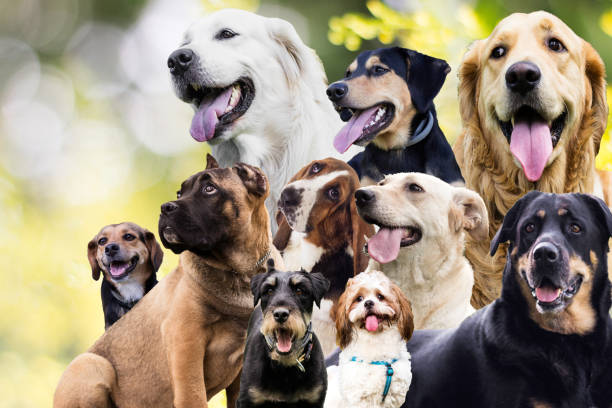
Dogs may not be able to tell us exactly how they feel in human language, but they have many ways of showing affection. A wagging tail, excited greeting, gentle nudge, following you around the house, or simply choosing to sleep beside you can all be meaningful signs of a strong relationship.
For many people, dogs are much more than pets. They are companions, family members, exercise partners, protectors, and sources of comfort. But have you ever wondered what your dog actually loves about you?
The answer may be simpler than you think.
Dogs often appreciate the everyday things their owners do: providing food and water, spending time together, playing, going for walks, offering affection, maintaining a routine, and making them feel safe.
Here are 20 things dogs love about their owners and why these simple actions can help create a stronger relationship between you and your canine companion.
1. Your Attention
One of the biggest things dogs love about their owners is attention.
Dogs are social animals, and many enjoy being around their human family. When you talk to your dog, pet them, play with them, or simply sit beside them, you are giving them something they value: your time.
Even a few minutes of focused attention can make a difference.
Instead of always being on your phone or busy with other activities, occasionally put everything aside and interact with your dog. A short play session or gentle cuddle can strengthen your connection.
2. Your Voice
Your dog may not understand every word you say, but they can learn to recognize familiar sounds, tones, and words.
Dogs often become excited when they hear their owner’s voice. The tone you use can also communicate whether you are happy, calm, excited, or upset.
Many dogs learn words associated with activities they enjoy, such as “walk,” “food,” “treat,” or their favorite person’s name.
Talking to your dog can therefore become an important part of your relationship.
3. Going for Walks Together
For many dogs, few things are more exciting than hearing the word “walk.”
Walking provides physical exercise, but it also gives dogs an opportunity to explore their surroundings. They can experience different smells, sights, sounds, and environments.
More importantly, a walk with their owner combines exploration with companionship.
Regular walks can also help support a dog’s overall physical and mental wellbeing. The appropriate amount of exercise depends on the dog’s age, breed, health, and individual needs.
4. Playing With Them
Dogs love playtime.
Whether it is fetching a ball, playing with a toy, running around the garden, or enjoying a simple game indoors, play gives dogs an opportunity to use their bodies and minds.
When you actively participate, your dog gets something even more valuable: interaction with you.
Try different games and observe which ones your dog enjoys most. Some dogs love retrieving toys, while others prefer chasing, tugging, or solving simple food puzzles.
5. Giving Them Belly Rubs
Many dogs enjoy physical affection from people they trust.
For some dogs, a gentle belly rub can be relaxing and enjoyable. Others may prefer having their chest, shoulders, or ears gently scratched.
The important thing is to pay attention to your dog’s body language.
If your dog relaxes, stays close, or actively seeks more contact, they may be enjoying the interaction. If they move away, become tense, or appear uncomfortable, give them space.
6. Feeding Them
It probably comes as no surprise that dogs love food.
But your dog doesn’t simply appreciate the food itself. They can also associate you with the regular care and security that comes from being fed.
A consistent feeding routine can help dogs know what to expect during the day.
However, treats should be given responsibly. Too many treats or inappropriate foods can contribute to weight problems and other health issues.
7. Giving Them Treats
Treats can be a wonderful way to reward good behavior and strengthen positive associations.
Training with appropriate rewards can help dogs learn commands and desirable behaviors.
But the healthiest approach is moderation. Treats should complement a balanced diet rather than replace it.
And remember: sometimes your dog’s greatest reward isn’t food. For certain dogs, praise, play, attention, or a favorite toy may be just as exciting.
8. Making Them Feel Safe
Dogs love people who make them feel safe.
A calm home environment, predictable routine, appropriate supervision, and responsible care can help a dog feel secure.
Your dog may look to you when they encounter something unfamiliar. Your calm response can help them understand that a situation is not necessarily dangerous.
Building trust takes time, especially with rescued or previously neglected dogs.
Patience can make a huge difference.
9. Your Routine
Dogs often enjoy routines because routines make their world more predictable.
If your dog knows roughly when they eat, sleep, walk, and play, they may feel more comfortable.
Of course, life doesn’t always follow a perfect schedule. But maintaining reasonably consistent routines can help dogs understand what to expect.
This is one reason dogs may seem to know when it is time for a walk or when their owner is preparing to leave the house.
10. Sleeping Near You
Some dogs love sleeping close to their owners.
Dogs are social animals, and sleeping near a trusted person can provide a sense of comfort and security.
Your dog might sleep beside your bed, at your feet, on a nearby couch, or in another designated sleeping area.
Whether you allow your dog on your bed is a personal choice. What matters most is providing a comfortable, safe sleeping environment.
11. Your Smell
This might sound strange to humans, but your scent can be extremely familiar and comforting to your dog.
Dogs have an extraordinary sense of smell and use scent as an important way of understanding their environment.
This is why a dog may become interested in your shoes, clothing, or other belongings.
Your scent can be associated with familiarity and safety.
12. Coming Home
Have you ever returned home and been greeted like you’ve been gone for years?
That enthusiastic welcome is one of the most recognizable behaviors of a happy dog.
Your dog may wag their tail, jump, run around, bring you a toy, or simply stay close to you.
For many dogs, their owner’s return is a major event.
That excitement is one of the reasons living with a dog can be such a joyful experience.
13. Your Praise
Dogs often respond well to positive reinforcement.
When your dog does something you want them to do, praising them can help reinforce the behavior.
A happy voice, gentle petting, or an appropriate reward can tell your dog that they have done something you appreciate.
Positive interactions can also help build trust between you and your dog.
14. Training Together
Training isn’t only about teaching commands.
It can also be a way to communicate with your dog.
Simple training sessions can give your dog mental stimulation while helping you understand each other better.
Start with basic behaviors such as sitting, coming when called, waiting, and responding to their name.
Keep sessions short, positive, and appropriate for your dog’s abilities.
15. Exploring New Places With You
Many dogs love discovering new environments.
A safe trip to a new park, a different walking route, or a dog-friendly outdoor area can provide new sights and smells.
Exploration can be mentally stimulating for dogs.
However, always consider your dog’s temperament and physical ability. A new environment should be introduced gradually if your dog is nervous or easily overwhelmed.
16. Giving Them Their Own Space
This may seem surprising, but dogs also love owners who understand when they need space.
Even affectionate dogs sometimes want to rest without being disturbed.
Giving your dog a comfortable bed, crate, or quiet area where they can relax helps them have a place of their own.
Teaching children to respect a dog’s resting space is especially important.
A loving relationship includes knowing when to interact and when to let your dog relax.
17. Being Patient
Dogs make mistakes.
They may knock something over, have an accident, bark unexpectedly, chew something they shouldn’t, or fail to understand a command.
Patience is an important part of responsible dog ownership.
Instead of reacting harshly, try to understand why the behavior happened and focus on appropriate training and management.
A patient owner can help a dog learn without damaging the trust between them.
18. Your Protection
Dogs often depend on their owners for protection and care.
You are responsible for making sure your dog has appropriate food, water, shelter, veterinary care, identification, exercise, and protection from dangerous situations.
Your dog may not understand all of these responsibilities, but they experience the results.
When a dog knows that their owner consistently takes care of them, it can contribute to a strong bond.
19. Spending Quiet Time Together
Not every moment with your dog needs to involve running, playing, or training.
Sometimes dogs simply enjoy being near their owners.
You might be reading a book, watching television, working at your desk, or relaxing outside while your dog lies nearby.
This quiet companionship can be valuable.
Your dog doesn’t necessarily need constant entertainment. Sometimes they just want to be part of your world.
20. Most of All, Your Love
Perhaps the biggest thing dogs love about their owners is the relationship itself.
Dogs can form strong social bonds with people. They learn our routines, recognize familiar voices and scents, and often seek us out for companionship and comfort.
Love for a dog is expressed through everyday actions.
Providing proper care, spending time together, respecting boundaries, keeping them safe, and treating them kindly all contribute to a healthy relationship.
How Do Dogs Show That They Love You?
Dogs don’t express affection exactly like humans do. Instead, they may show attachment through their behavior.
Some possible signs include:
- Following you around the house
- Greeting you enthusiastically
- Relaxing near you
- Bringing you toys
- Seeking your attention
- Looking toward you during unfamiliar situations
- Sleeping near you
- Wagging their tail when they see you
- Leaning against you
- Choosing to stay close to you
However, every dog is different. Breed, personality, age, previous experiences, and individual temperament can influence how a dog behaves.
A dog that isn’t constantly cuddling you isn’t necessarily unhappy or unaffectionate.
How Can You Make Your Dog Happier?
If you want to strengthen your relationship with your dog, focus on the basics.
Give them appropriate nutrition, fresh water, exercise, mental stimulation, regular veterinary care, safe shelter, and plenty of positive interaction.
Learn your dog’s body language and respect their boundaries.
Most importantly, spend quality time together.
You don’t need expensive toys or elaborate activities to make your dog happy. A safe walk, a few minutes of play, gentle attention, and a consistent routine can mean a lot.
If Animals Could Talk for One Day, What Would You Ask Your Pet? 🐕🐈
Final Thoughts
Dogs have a remarkable ability to become part of our everyday lives.
They may greet us when we wake up, follow us around the house, wait for us to return, and sit beside us when we relax. Their affection is often communicated through small behaviors that are easy to overlook.
The 20 things dogs love about their owners aren’t necessarily complicated. Dogs often appreciate attention, companionship, play, walks, food, safety, affection, consistency, patience, and trust.
In return, responsible owners receive something incredibly special: the companionship of an animal that can become a cherished member of the family.
So the next time your dog looks at you with a wagging tail, brings you a favorite toy, or quietly lies beside you, remember that these simple moments may be part of the special bond you’ve built together.
What do you think your dog loves most about you?
Share your answer with another dog lover—and don’t forget to share this article with someone whose dog is their best friend.