 Pets are cherished members of millions of households around the world. Whether it’s a playful dog, an affectionate cat, a curious rabbit, or a colorful bird, companion animals bring joy, comfort, and companionship to their owners. As awareness of animal welfare continues to grow, many pet owners are exploring new ways to keep their animals healthy, active, and happy throughout every stage of life.
Advances in veterinary medicine, improved nutrition, wearable pet technology, and better access to reliable information have transformed how people care for their animals. Today, maintaining a pet’s health goes beyond providing food and shelter—it includes preventive healthcare, regular exercise, mental stimulation, and building a safe, enriching environment.
This guide explores the most effective strategies for keeping pets healthy while helping owners make informed decisions about their companions’ long-term well-being.
Why Preventive Care Matters


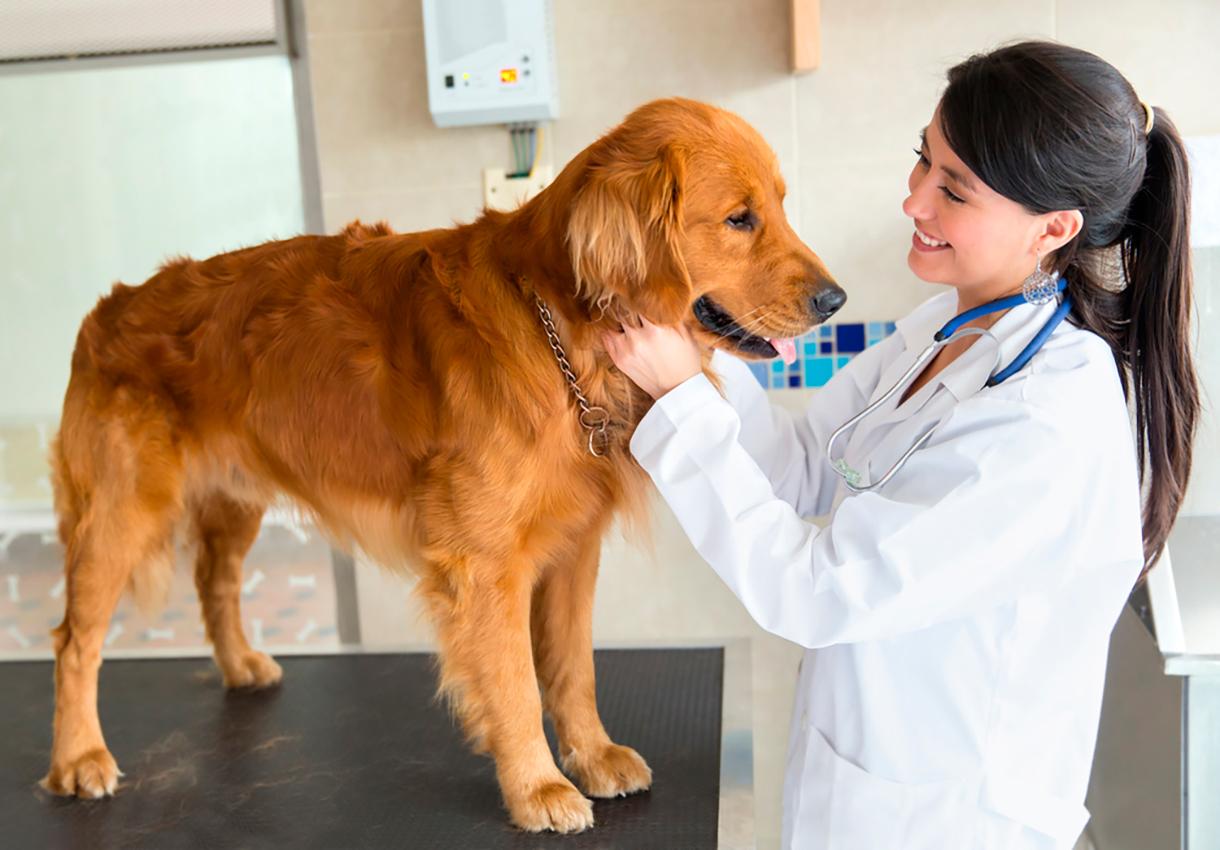
Preventive care helps identify potential health concerns before they become more serious. Regular veterinary visits allow professionals to monitor a pet’s growth, weight, dental health, and overall condition.
Routine preventive care may include:
- Physical examinations
- Vaccinations
- Parasite prevention
- Dental assessments
- Weight monitoring
- Blood tests when appropriate
- Microchipping
- Nutrition advice
Early detection often allows conditions to be managed more effectively, improving both quality of life and long-term health.
Nutrition Plays a Major Role


Proper nutrition provides the energy and nutrients pets need to stay active and healthy.
Nutritional needs vary depending on:
- Species
- Breed
- Age
- Activity level
- Weight
- Medical conditions
Puppies and kittens require different diets than adult or senior animals, and some pets may need specialized food recommended by a veterinarian.
Fresh drinking water should always be available, and treats are best offered in moderation to help maintain a healthy weight.
Daily Exercise Keeps Pets Active


Regular exercise supports both physical and mental health.
Benefits of Exercise
Daily activity may help pets:
- Maintain a healthy weight
- Build strong muscles
- Improve heart health
- Reduce boredom
- Encourage positive behavior
- Strengthen the bond with owners
Dogs often benefit from walks, hiking, swimming, and games such as fetch.
Cats can stay active through climbing structures, interactive toys, puzzle feeders, and short play sessions throughout the day.
Mental Stimulation Is Just as Important


Physical exercise alone is not enough.
Animals also benefit from activities that challenge their minds.
Examples include:
- Puzzle feeders
- Training sessions
- Hide-and-seek games
- New walking routes
- Interactive toys
- Learning new commands
Mental enrichment helps reduce boredom and may decrease unwanted behaviors caused by lack of stimulation.
Keeping Pets at a Healthy Weight

Maintaining a healthy weight is one of the most effective ways to support long-term pet health.
Excess weight may increase the risk of:
- Joint problems
- Heart disease
- Diabetes (in some animals)
- Reduced mobility
- Breathing difficulties
Owners can help by:
- Feeding appropriate portion sizes
- Limiting treats
- Providing regular exercise
- Scheduling routine veterinary checkups
- Monitoring body condition over time
Small adjustments to diet and activity can make a significant difference in a pet’s overall well-being.
Dental Health Often Goes Overlooked

Oral health is an important part of preventive care.
Without regular dental care, pets may develop plaque, tartar, gum disease, and tooth loss.
Healthy dental habits include:
- Brushing teeth when appropriate
- Providing veterinary-approved dental chews
- Scheduling professional cleanings if recommended
- Watching for signs such as bad breath or difficulty eating
Good oral hygiene contributes to overall health and comfort.
Wearable Technology Is Helping Pet Owners

Modern technology is making pet care more convenient.
Wearable devices and smart collars can help owners monitor:
- Daily activity
- Location
- Sleep patterns
- Exercise goals
- Some health indicators
These tools do not replace veterinary care but can provide useful information that supports responsible pet ownership.
Grooming Is Essential for Overall Health


Regular grooming is about much more than keeping pets looking their best. It helps maintain healthy skin and coats while allowing owners to notice unusual lumps, bumps, parasites, or skin irritations early.
Healthy grooming habits include:
- Brushing fur regularly
- Bathing when appropriate
- Cleaning ears as recommended
- Trimming nails
- Checking paws after outdoor walks
- Monitoring skin for unusual changes
Different breeds have different grooming requirements, so owners should learn the specific needs of their pets.
Vaccinations and Parasite Prevention


Preventive healthcare remains one of the most effective ways to protect pets from avoidable illnesses.
Veterinarians develop vaccination schedules based on factors such as:
- Species
- Age
- Lifestyle
- Geographic location
- Risk of exposure
Parasite prevention is equally important. Fleas, ticks, mosquitoes, and intestinal parasites can affect both pets and, in some cases, people.
Routine preventive treatments and regular veterinary advice help reduce these risks.
Caring for Senior Pets


As pets grow older, their healthcare needs often change.
Senior animals may benefit from:
- More frequent veterinary visits
- Specialized diets
- Joint support
- Gentle exercise
- Comfortable sleeping areas
- Regular monitoring for age-related conditions
Many senior pets continue to enjoy active, happy lives when their changing needs are recognized and addressed promptly.
Creating a Safe Home Environment


A safe home reduces the risk of injuries and accidental poisoning.
Pet owners should:
- Store cleaning products securely.
- Keep medications out of reach.
- Secure electrical cords.
- Remove toxic plants when necessary.
- Use childproof trash containers.
- Keep small choking hazards away from pets.
Outdoor areas should also be inspected regularly for sharp objects, toxic substances, and unsafe fencing.
Technology Is Transforming Pet Care


Technology has introduced new tools that help owners care for their animals more effectively.
Popular innovations include:
- Smart feeders
- Automatic water fountains
- GPS collars
- Activity trackers
- Indoor pet cameras
- Mobile health apps
These devices help owners monitor feeding schedules, hydration, exercise, and behavior, especially when away from home.
While technology is useful, it should complement—not replace—regular interaction and veterinary care.
Common Pet Health Myths


Myth 1: Indoor Pets Never Need Veterinary Care
Even pets that stay indoors benefit from routine examinations, vaccinations, dental care, and preventive health checks.
Myth 2: Table Scraps Are Always Safe
Many human foods are unsuitable or even toxic for pets. Owners should only offer foods that are known to be safe for their specific animal.
Myth 3: Pets Exercise Themselves
While some pets remain naturally active, most benefit from regular play, walks, or structured exercise with their owners.
Myth 4: Young Pets Don’t Need Dental Care
Healthy dental habits should begin early to help reduce plaque buildup and support long-term oral health.
Preparing for Pet Emergencies


Unexpected situations can occur, making preparation important.
A pet emergency kit may include:
- Medical records
- Identification information
- Medications
- First-aid supplies
- Food and water
- Leash or carrier
- Emergency contact numbers
Owners should also know the location and contact information of the nearest emergency veterinary clinic.
Being prepared can reduce stress and improve response times during unexpected events.
Frequently Asked Questions


How often should pets visit the veterinarian?
The ideal schedule depends on the pet’s age, health, and lifestyle. Many healthy adult pets benefit from regular wellness examinations, while puppies, kittens, and senior pets may require more frequent visits.
How can I tell if my pet is overweight?
Your veterinarian can evaluate your pet’s body condition and recommend appropriate nutrition and exercise if weight management is needed.
Do indoor cats need vaccinations?
Vaccination recommendations vary depending on individual risk factors. Pet owners should consult their veterinarian for guidance tailored to their cat.
Are wearable pet trackers worth using?
They can help monitor activity levels, location, and daily routines, but they do not replace routine veterinary care or attentive pet ownership.
What is the most important thing I can do to keep my pet healthy?
Provide balanced nutrition, regular exercise, preventive veterinary care, mental stimulation, a safe environment, and plenty of affection and attention.
Conclusion
Keeping pets healthy involves much more than providing food and shelter. Today’s pet owners have access to better nutrition, preventive veterinary care, advanced technology, and educational resources than ever before, making it easier to support the long-term well-being of their companion animals.
Healthy pets benefit from balanced diets, regular exercise, mental enrichment, grooming, dental care, vaccinations, parasite prevention, and routine wellness examinations. Creating a safe home environment and staying alert to changes in behavior or appearance can also help identify potential health concerns early.
Technology, such as smart feeders, GPS collars, and activity trackers, offers valuable support for responsible pet ownership, but nothing replaces quality time, regular observation, and guidance from a qualified veterinarian.
Whether caring for a playful puppy, an energetic cat, a senior rabbit, or another beloved companion, consistent care and informed decisions help animals enjoy longer, healthier, and happier lives. By making pet health a daily priority, owners strengthen the bond they share with their animals while giving them the best possible quality of life.