Why More People Are Choosing to Adopt Rescue Animals: A Complete Guide to Saving Lives and Finding Loyal Companions 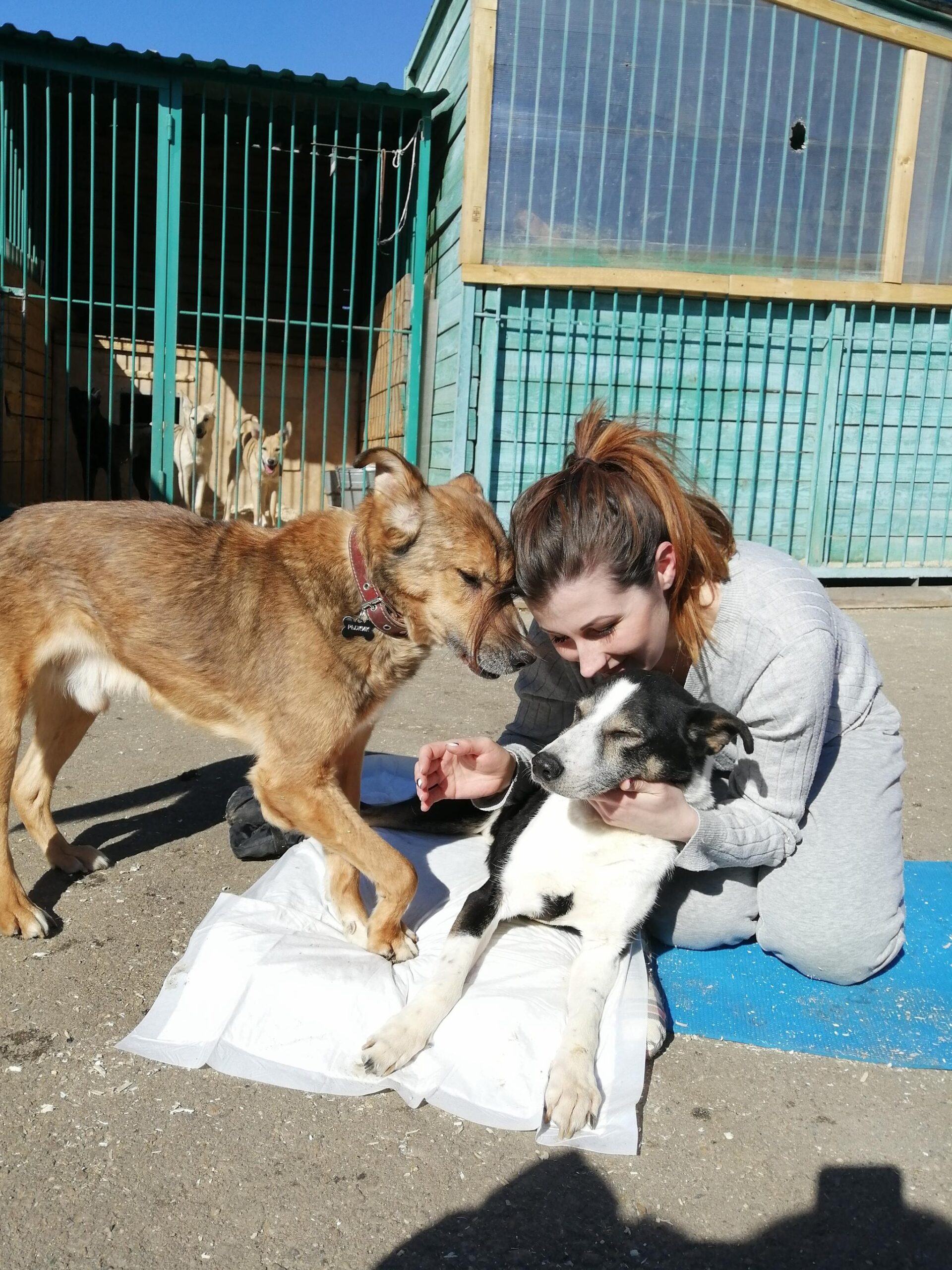
Introduction
Across the globe, more people are choosing to adopt rescue animals instead of purchasing pets from breeders or pet stores. This growing trend reflects a shift in how people think about pet ownership, animal welfare, and responsible decision-making. Every year, millions of animals enter shelters after being abandoned, surrendered, or rescued from neglect. While not all of these animals find permanent homes, increasing public awareness has inspired more families to open their hearts to pets in need.
Adopting a rescue animal is about much more than bringing home a dog or cat. It means offering a second chance to a living creature while supporting organizations that work tirelessly to reduce animal homelessness. Many adopted pets become loving companions, proving that a difficult beginning does not define their future.
This guide explores why rescue animal adoption continues to grow, the benefits for both pets and owners, and what prospective adopters should know before welcoming a rescued companion into their home.
What Is a Rescue Animal?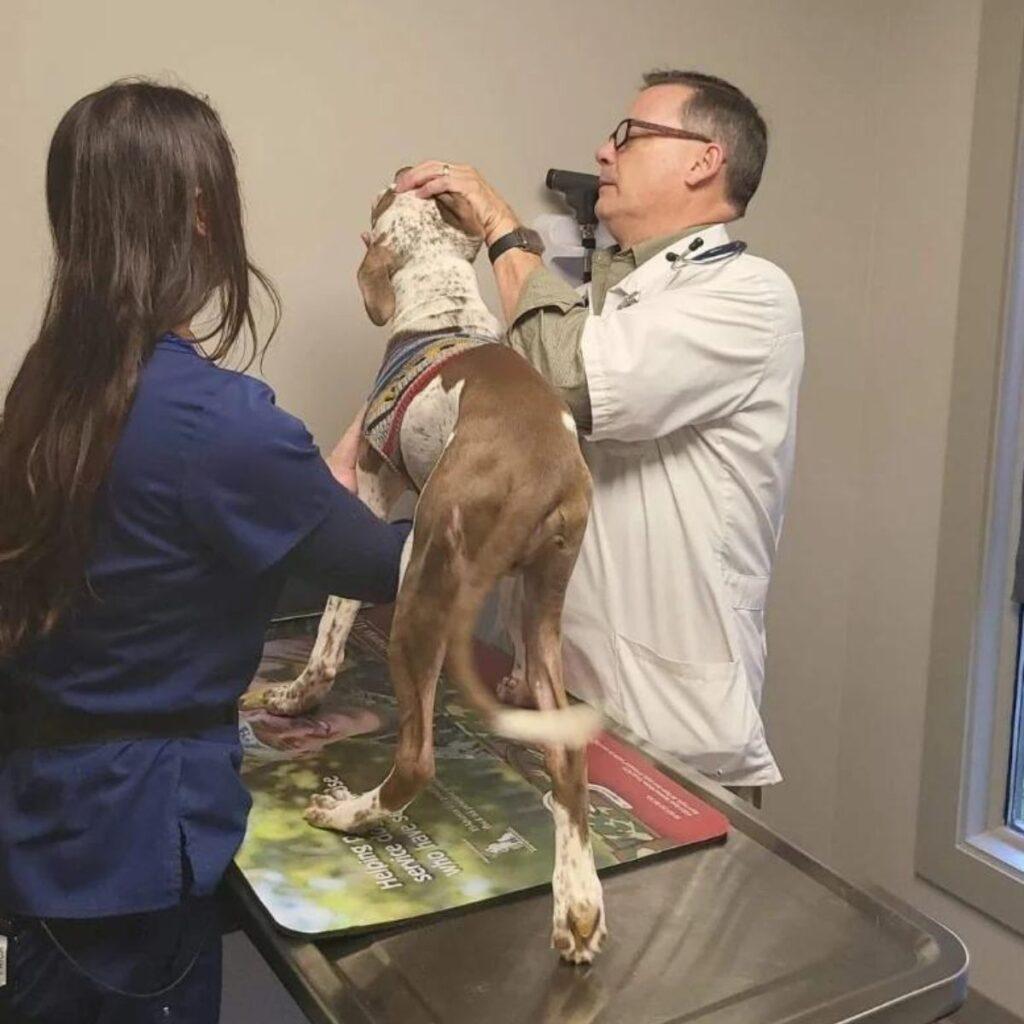
A rescue animal is a pet that has been removed from difficult circumstances or surrendered by its previous owner and is now cared for by an animal shelter or rescue organization. Rescue animals may come from many different situations, including:
- Abandonment
- Neglect or abuse
- Stray populations
- Owners who could no longer care for them
- Natural disasters
- Animal control rescues
- Overcrowded shelters
Before becoming available for adoption, many rescue animals receive veterinary care, vaccinations, parasite treatment, and health assessments. Dogs and cats are often spayed or neutered and, where appropriate, microchipped to improve their long-term welfare.
Contrary to common misconceptions, rescue animals include pets of all ages, sizes, and breeds. While mixed-breed dogs and cats are common, many purebred animals also enter shelters each year because of changes in their owners’ circumstances.
Why Rescue Animal Adoption Is Growing
Greater Public Awareness
Campaigns promoting responsible pet ownership have reached millions of people through television, social media, schools, and community organizations. Messages encouraging people to “Adopt, Don’t Shop” have helped highlight the importance of giving homeless animals a second chance.
Stories shared online often show remarkable transformations. A frightened, neglected animal can become a healthy and affectionate companion after receiving proper care and a loving home. These success stories inspire others to consider adoption when searching for a new pet.
Better Access to Adoption Services
Modern shelters have made adoption easier than ever before. Many organizations now offer:
- Online pet profiles with photos and personality descriptions
- Virtual adoption applications
- Home matching services
- Foster-to-adopt programs
- Post-adoption support
These improvements make it easier for families to find a pet that matches their lifestyle and experience.
Increased Concern for Animal Welfare
Consumers have become more aware of unethical breeding practices, including puppy mills and large-scale commercial breeding facilities where animals may be kept in poor conditions. As awareness grows, many people choose adoption as a way to support humane treatment of animals.
Choosing adoption also reduces demand for irresponsible breeding operations while supporting shelters that prioritize animal health and welfare.
Benefits of Adopting a Rescue Animal
Saving a Life
Every adoption creates space for another homeless animal to receive care. When a rescued pet finds a permanent home, shelters gain valuable room and resources to help additional animals in need.
Although one adoption may seem like a small act, collectively these decisions have helped countless animals find safety and companionship.
Loyal and Loving Companions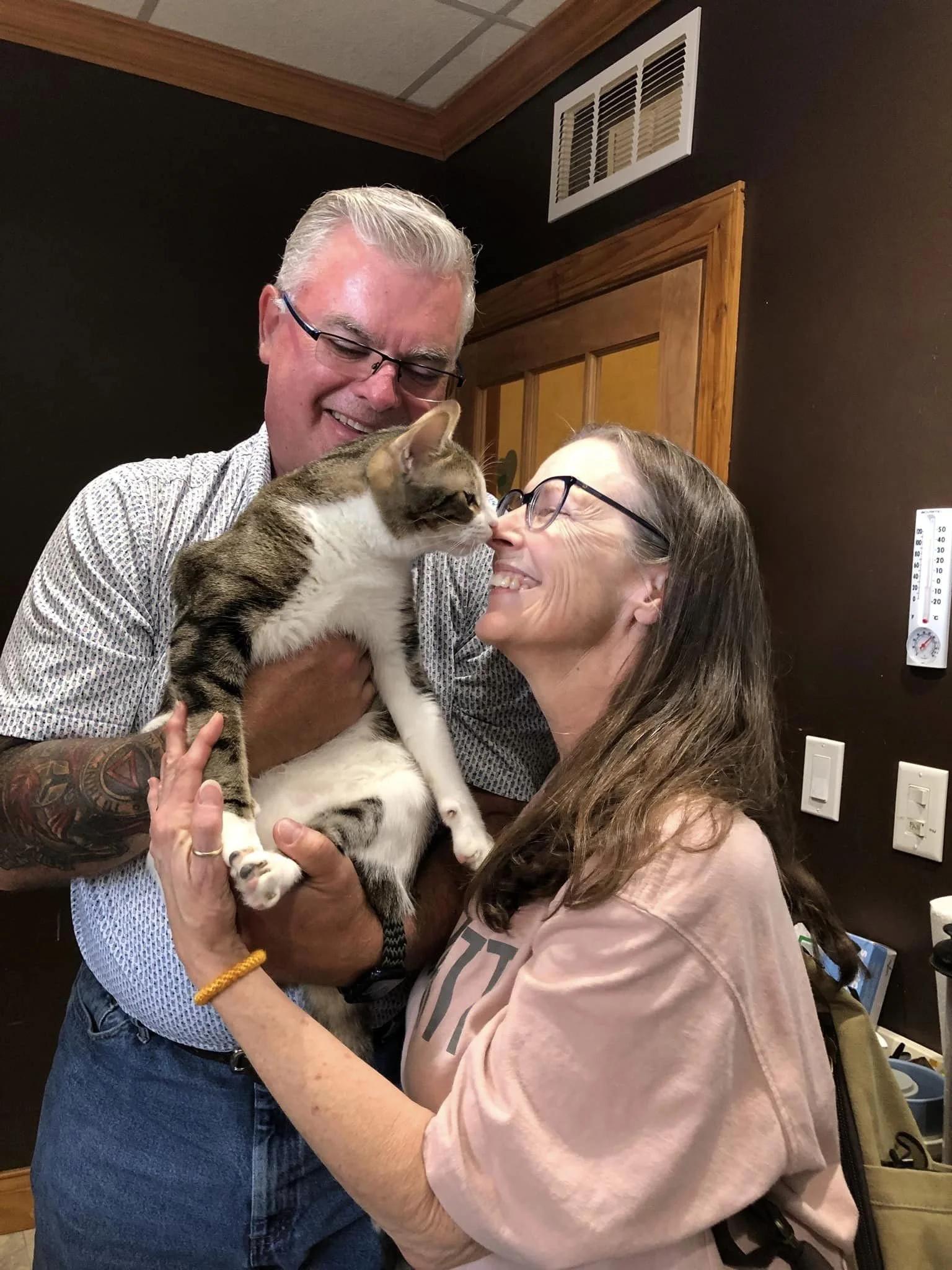
Many rescue animals form strong bonds with their new families. While each pet has a unique personality, adopted animals often thrive when given stability, patience, and affection. With time and consistent care, many become confident, playful, and deeply attached to their owners.
Families frequently describe adopted pets as loyal companions who quickly become valued members of the household.
Lower Initial Costs
Adopting from a shelter is often more affordable than purchasing a pet. Adoption fees commonly include services such as:
- Initial veterinary examination
- Vaccinations
- Spaying or neutering
- Deworming
- Microchipping
- Basic health screening
Because many of these procedures have already been completed, adopters may save money while still welcoming a healthy pet into their home.
A Wide Variety of Pets
Animal shelters care for far more than puppies and kittens. Depending on the organization, adopters may find:
- Adult dogs
- Senior dogs
- Cats of all ages
- Rabbits
- Guinea pigs
- Birds
- Small mammals
- Occasionally reptiles and other companion animals
This variety makes it easier to find a pet that suits a family’s home, schedule, and experience level.
Rescue Animals Can Make Wonderful Family Pets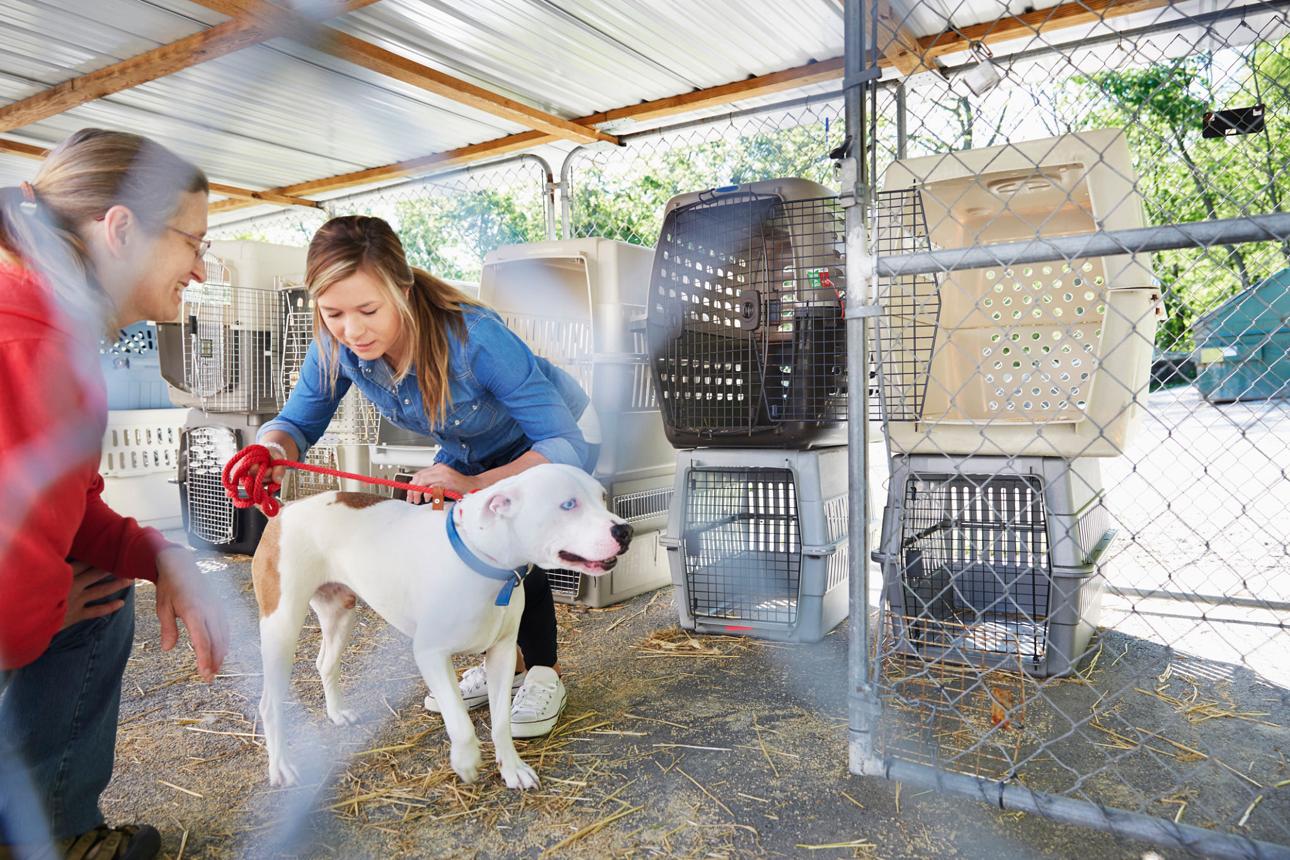
One common misconception is that rescue animals are difficult to train or may have behavioral problems. In reality, many animals enter shelters through no fault of their own. Owners may relocate, experience financial hardship, develop allergies, or face life changes that prevent them from keeping their pets.
Shelter staff and foster caregivers often spend time getting to know each animal’s personality. This allows them to recommend pets that fit specific households, whether a family has young children, other pets, or a quieter lifestyle.
With proper introductions, training, and patience, many rescue animals adjust well and become loving companions for years to come.
Why More People Are Choosing to Adopt Rescue Animals
Common Myths About Rescue Animals
Despite the growing popularity of adoption, several myths still discourage people from visiting animal shelters. Understanding the facts can help prospective pet owners make informed decisions.
Myth 1: Rescue Animals Are Aggressive
One of the biggest misconceptions is that rescue animals are dangerous or aggressive. In reality, animals enter shelters for many reasons unrelated to behavior. A family may move to housing that doesn’t allow pets, experience financial difficulties, or be unable to care for an animal due to illness.
Most shelters carefully evaluate each animal’s temperament before making it available for adoption. Staff members often spend weeks observing how animals interact with people, children, and other pets.
Myth 2: You Can’t Find Purebred Animals
While mixed breeds are common, many purebred dogs and cats also end up in shelters each year. Breed-specific rescue organizations exist for popular breeds such as Labradors, German Shepherds, Golden Retrievers, Huskies, and Persian cats.
People looking for a specific breed can often find one through rescue organizations instead of purchasing from breeders.
Myth 3: Rescue Animals Are Sick
Shelters generally provide comprehensive veterinary care before adoption. This often includes:
- Physical examinations
- Vaccinations
- Parasite treatment
- Spaying or neutering
- Microchipping
- Health monitoring
Although some rescued animals may require additional treatment, many are healthy and ready for their new homes.
Myth 4: Older Pets Can’t Learn
Adult and senior animals can absolutely learn new routines and commands. Many older pets are already house-trained and have calmer personalities, making them excellent companions for first-time owners or families looking for a relaxed pet.
How the Adoption Process Works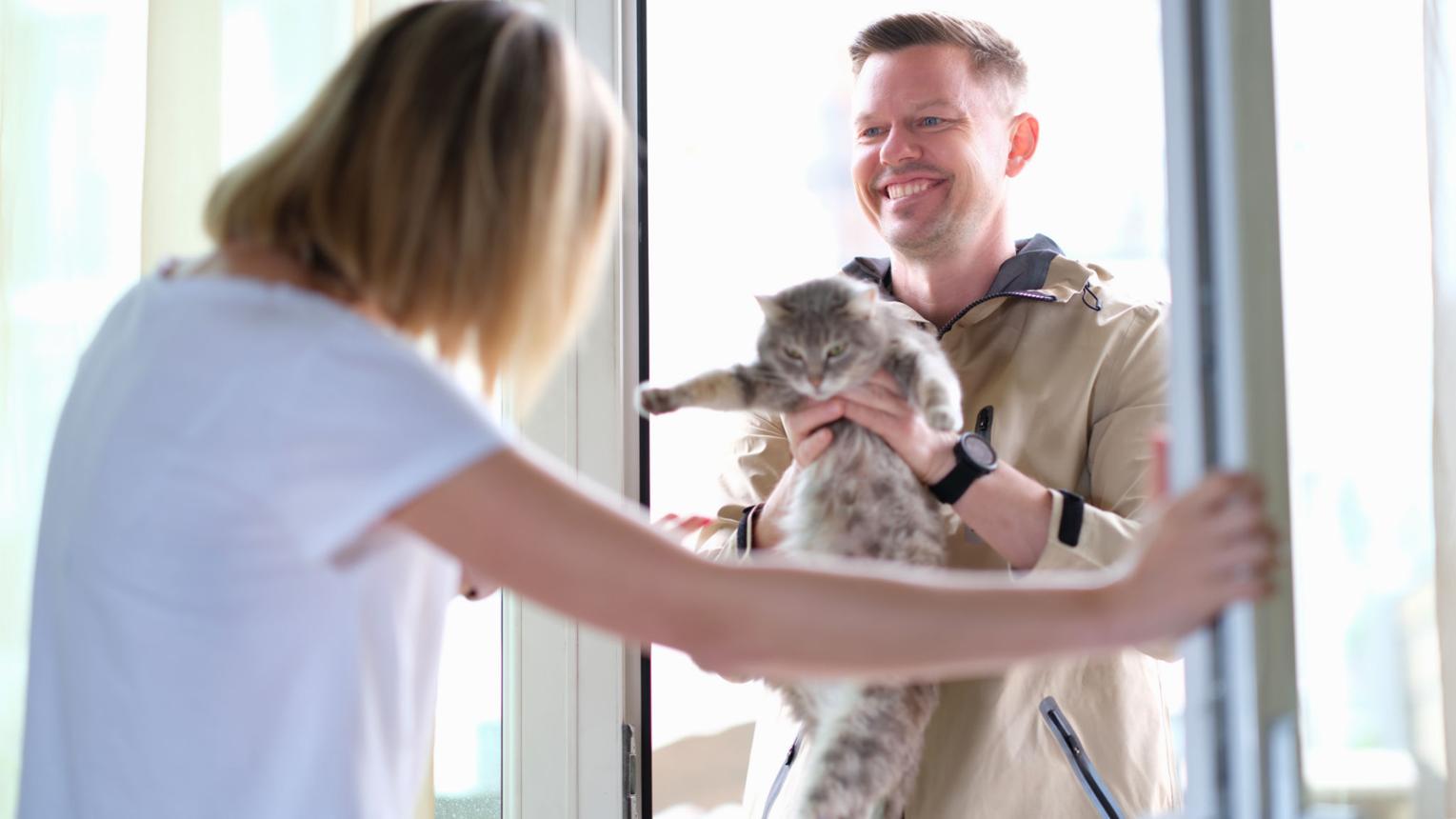
Every rescue organization has its own procedures, but the adoption process usually follows similar steps.
Step 1: Research Local Shelters
Begin by exploring local animal shelters or rescue organizations. Many publish profiles of available animals online, including photographs, personality descriptions, and medical information.
Step 2: Meet the Animal
Spending time with an animal before adoption helps determine whether its personality matches your lifestyle. Shelter staff often encourage multiple visits to ensure the match is suitable.
Step 3: Complete an Application
Most organizations ask adopters to complete an application covering topics such as:
- Living arrangements
- Experience with pets
- Household members
- Daily schedule
- Veterinary references (if applicable)
The purpose is not to discourage adoption but to ensure each animal finds a safe, permanent home.
Step 4: Prepare Your Home
Before bringing your new companion home, purchase essential supplies, including:
- Food and water bowls
- Nutritious pet food
- Comfortable bedding
- Collar and identification tag
- Leash or carrier
- Toys
- Grooming supplies
- Litter box (for cats)
A safe environment helps reduce stress during the first few days.
Preparing for Your New Rescue Pet
The first weeks after adoption are important. Rescue animals may need time to adjust to unfamiliar surroundings.
Experts recommend:
- Keeping a consistent daily routine.
- Providing a quiet space for rest.
- Introducing family members gradually.
- Avoiding overwhelming visitors during the first few days.
- Scheduling a veterinary check-up.
- Beginning positive reinforcement training.
Patience is essential. Some animals settle in immediately, while others may need several weeks before feeling fully comfortable.
Health Benefits of Owning a Rescue Animal
Scientific research has consistently shown that pet ownership can positively affect both physical and mental well-being.
Reduced Stress
Spending time with pets may lower stress levels by encouraging relaxation and companionship. Many owners report feeling calmer after interacting with their dogs or cats.
Increased Physical Activity
Dogs, in particular, encourage daily exercise through walks, playtime, and outdoor activities. Regular physical activity supports:
- Heart health
- Healthy weight management
- Improved fitness
- Better sleep
Improved Mental Health
Rescue animals often provide emotional support by reducing feelings of loneliness and encouraging daily routines. Many owners experience increased happiness simply from spending time with their pets.
Social Connections
Walking a dog or participating in community pet events often creates opportunities to meet neighbors and other pet owners, helping build stronger social relationships.
Environmental Benefits of Adoption
Choosing adoption also benefits the wider community.
Animal shelters work to reduce stray populations through responsible adoption and spay-and-neuter programs. Every successful adoption contributes to fewer homeless animals living on the streets.
Adoption also reduces demand for irresponsible breeding operations, encouraging more ethical treatment of companion animals.
Communities with strong adoption programs often experience:
- Lower stray animal populations
- Improved public health
- Increased awareness of responsible pet ownership
- Better animal welfare standards
Challenges After Adoption
While adoption is rewarding, it also requires commitment.
Some rescued animals may need extra time to build trust after difficult experiences. Others may need additional training to adjust to their new homes.
Common challenges include:
- Separation anxiety
- Fear of unfamiliar environments
- House-training adjustments
- Learning household routines
- Introducing other pets
Most of these challenges improve with patience, consistency, and positive reinforcement.
Professional trainers and veterinarians can also provide guidance if behavioral concerns arise.
Real-Life Success Stories
Every year, shelters celebrate thousands of successful adoptions.
A dog rescued from abandonment may become a trusted family companion.
A frightened kitten found alone may grow into a confident and affectionate household pet.
Senior animals, often overlooked because of their age, frequently reward adopters with calm personalities and unwavering companionship.
These stories demonstrate that rescue animals are capable of remarkable transformations when given love, security, and proper care.
Frequently Asked Questions
Is adopting a rescue animal better than buying one?
Adoption provides a home for an animal in need while supporting shelters that rescue homeless pets. Both adoption and responsible breeding have a place, but adoption offers the opportunity to directly help an animal waiting for a family.
Are rescue animals healthy?
Most shelters provide veterinary care before adoption, including vaccinations, health checks, and preventive treatments. Individual health needs vary, so regular veterinary care remains important.
Can rescue pets live with children?
Many rescue animals make excellent family pets. Shelter staff usually help match animals based on temperament and household needs.
How long does it take for a rescue pet to adjust?
Some pets settle in within days, while others need several weeks or months to fully adapt. Consistency, patience, and gentle care can help the adjustment process.
Is adopting expensive?
Adoption fees are often lower than purchasing a pet and frequently include services such as vaccinations, microchipping, and spaying or neutering.
Conclusion
Adopting a rescue animal is one of the most meaningful ways to make a positive difference in the life of a homeless pet. As awareness of animal welfare continues to grow, more families are choosing adoption because it combines compassion with responsible pet ownership.
Rescue animals come from many different backgrounds, but they share one important need: a safe and loving home. Whether you adopt a playful puppy, a gentle senior dog, an energetic kitten, or another companion animal, your decision creates space for shelters to help even more pets in need.
Adoption is not simply about finding a pet—it is about building a lifelong relationship based on care, trust, and companionship. With patience, proper preparation, and ongoing commitment, many rescue animals become loyal family members who bring years of happiness and unconditional love.
By choosing adoption, you are not only changing one animal’s life—you are supporting a movement that promotes kindness, responsible ownership, and a brighter future for animals everywhere.